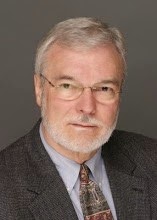
The Arizona Republic has been published for 126 years, and it has never before failed to endorse a Republican candidate for president. But, saying that Donald Trump does not have the temperament and experience to be president and Hillary Clinton does, they broke that tradition and endorsed Clinton for president. The editorial also called out Trump for degrading comments toward women and minorities, saying that he shows "a stunning lack of human decency."
Ralph
UPDATE: For the fourth time in its 143 year history, Detroit News is not endorsing a Republican nominee for president. The editorial board wrote that Trump is "unprincipled, unstable, and quite possibly dangerous. He cannot be president."
Thursday, September 29, 2016


Will Trump shift and prepare for the next debate?
MSNBC's Katy Tur has been covering the Trump campaign since last fall and has developed sources inside the Trump campaign. She was able to confirm that he did not do practice debates. His staff tried; but he refuses and they cannot get him to stay focused on any subject for more than a few minutes.
Someone told Katy that he was willing to watch videos of his primary debates, but he would not take suggestions on how to improve his responses, claiming that he thought all of his answers were "perfect."
This is very much in line with what Tony Schwarz, his ghost writer for The Art of the Deal, said. Rather than the long discussions he expected they would have, so Tony could write the book, he could never get him to focus on a subject for more than a few minutes. That's how short his attention span is.
So . . . how would this work out in the Situation Room when there is an international crisis, and the president needs to be briefed by an array of military advisers and intelligence officers, then have meaningful discussion with these and other advisers? This is time-consuming work that requires concentration under pressure. Can he do it? Will he even admit that he needs advice and processing of options? Apparently, reading briefing books would be completely out of the question.
Decisions that will affect global security as well as international diplomacy will hang in the balance of an informed United States president. I think he lacks the physiological capacity to stay focused long enough. He just can't do it. He's like a kid with attention deficit disorder who just cannot sit still.
The debate and preparation for it comprise one of the tests for prospective presidents. The blogger "digby" noted that Trump's new campaign manager Kellyanne Conway has been able to get Trump to read speeches from a teleprompter. So she thought perhaps there was actually some preparation going on. But, as digby wrote:
"He got beat . . . by a gu-urrl."
Ralph
Someone told Katy that he was willing to watch videos of his primary debates, but he would not take suggestions on how to improve his responses, claiming that he thought all of his answers were "perfect."
This is very much in line with what Tony Schwarz, his ghost writer for The Art of the Deal, said. Rather than the long discussions he expected they would have, so Tony could write the book, he could never get him to focus on a subject for more than a few minutes. That's how short his attention span is.
So . . . how would this work out in the Situation Room when there is an international crisis, and the president needs to be briefed by an array of military advisers and intelligence officers, then have meaningful discussion with these and other advisers? This is time-consuming work that requires concentration under pressure. Can he do it? Will he even admit that he needs advice and processing of options? Apparently, reading briefing books would be completely out of the question.
Decisions that will affect global security as well as international diplomacy will hang in the balance of an informed United States president. I think he lacks the physiological capacity to stay focused long enough. He just can't do it. He's like a kid with attention deficit disorder who just cannot sit still.
The debate and preparation for it comprise one of the tests for prospective presidents. The blogger "digby" noted that Trump's new campaign manager Kellyanne Conway has been able to get Trump to read speeches from a teleprompter. So she thought perhaps there was actually some preparation going on. But, as digby wrote:
"Last night Donald Trump demonstrated not only that he didn’t prepare but that he has no underlying knowledge of the subjects a president is required to know. He simply tried to bluff his way through with incoherent misdirection, hostility and sarcasm . . . it may have been the worst debate performance of any political career.
"I wasn’t sure whether or not Hillary Clinton would be able to handle him. . . . [But] The simple fact is that Hillary Clinton dominated him. The debate was all her thrusting and him parrying over and over again. By the end he was visibly slumping and seemed confused. And since being a 'winner' is so central to his candidacy and his personality, the loss is even more devastating."To make it even worse for Trump, as Chris Matthews so aptly put it:
"He got beat . . . by a gu-urrl."
Ralph
Wednesday, September 28, 2016
The debate? The "real" Donald Trump showed up; and Clinton skillfully roasted him into a meltdown.
[updated Wed., 10 am]
The real Donald Trump showed up for the first presidential debate Monday night: arrogant and bombastic at the beginning; then unable to keep from taking the bait in Clinton's attacks and hitting back in a way that exposed his lack of preparation, his thin-skinned vulnerabilities, and his lack of substance or understanding.
She brought out his misogynistic attacks on a beauty pageant winner who gained weight; she exposed his history of racial discrimination in housing, questioned his boasts about his business prowess, and challenged his refusal to release his tax returns -- listing the possible things he's trying to hide, including debt to foreign sources that might be conflicts of interest for a president. And there was so much more, too.
Her strategy was perfectly designed to draw him into his own trap: He is incapable of letting an attack go unreturned. So she kept him counter-attacking and off balance, while she maintained her composed demeanor.
Afterward, his spin team gamely tried to save something from the ashes. And he did have a few good moments, especially when he attacked her on trade policy. He scored a few points, with his supporters anyway. When she said, repeatedly, things like: "we have to do better" or "work harder" to change things, he responded by pointing out that "you've been there for 30 years, so why didn't you make things better?" Of course, that also reveals that he has no understanding of how hard it is to make these changes, especially when the party he's representing has opposed everything she and Obama have tried to do.
But that's about it for positives for Trump. He was unprepared and betrayed again and again how little he knows about the government, our international agreements, or domestic policy. Even trade deals -- which should be his forte -- he has no concrete proposals for how he would improve them.
The biggest failing of all in his performance, however, was his obvious lack of stamina for such a lengthy, demanding test. He seemed strongest and on his toes in the first 10 minutes, and it went down from there. By midway, he was beginning to squirm and looked very uneasy, loudly snuffling and drinking water again and again; and his answers became less and less coherent and on message. By the end, he was in advanced meltdown mode.
Clinton was calm and collected throughout; he was the opposite. And then he ludicrously claimed, near the end when he was obviously coming unglued, that "My strongest asset by far is my temperament."
In addition, his main strategy was to interrupt Clinton and to talk over the moderator. By one group's count, he interrupted her over 50 times. Liberal pundit Howard Fineman called it "the worst debate performance in modern times." As a post-debate panelist on MSNBC, even Republican strategist Steve Schmidt thought Trump's performance was a disaster.
Daily Kos commenter Amanda McKay summed it up: "Pundits and instant reaction polls agree: Hillary Clinton crushed Donald Trump last night. [She] exposed Donald Trump as a racist, reactionary gasbag in front of what may be the largest debate audience in history. It was a stunning presentation of calm, intelligence, and wit in the face of insults and insanity."
Thomas Edsall in the New York Times quoted Norman Ornstein, a scholar at the American Enterprise Institute, saying that Trump “was angry, rambling, fidgety and often simply incoherent. His bar was to look even modestly like a president, in carriage and temperament, plus a very, very low bar on fundamental knowledge. He failed on them all.” Note: The AEI is a very conservative think tank.
Instant polls on who people thought won: CNN/ORC poll: 62% Clinton to 27% Trump. PPP poll: 51% to 40%. Wordsmith guru Frank Luntz, who advises Republicans how to use loaded words to sway voters, held a focus group. Of his group, 16 picked Clinton as the winner, 6 said Trump won. Those are the only polls thus far that mean anything. Ignore those "polls" Trump is touting that show him winning. They either do not exist (CBS sent out a tweet saying it did not poll, after Trump claimed to have won it). The others are online surveys with no controls; you can vote as many times as you want, from wherever you are. Even Russian hackers could be rigging them to register multiple votes.
Yes, but did the debate change votes? Trump's loyal core of supporters will stick with him no matter what he does or says, except for a few on the fringes perhaps that might peel off. But it's extremely unlikely that he gained any votes. Clinton will probably gain a few percentage points in polls from some independents and those who thought they didn't like her but had never before really seen her competence and her steady calm in the face of the Trump barrage.
Clinton seemed presidential. Trump did not. Her best line of the night (among many, really) was this. Trump had tried to paint her as shirking the campaign trail over the past few days while she holed up to prepare for the debate. Her reply: “I think Donald just criticized me for preparing for this debate. And yes, I did. And you know what else I prepared for? I prepared to be president. And I think that's a good thing."
Ralph
The real Donald Trump showed up for the first presidential debate Monday night: arrogant and bombastic at the beginning; then unable to keep from taking the bait in Clinton's attacks and hitting back in a way that exposed his lack of preparation, his thin-skinned vulnerabilities, and his lack of substance or understanding.
She brought out his misogynistic attacks on a beauty pageant winner who gained weight; she exposed his history of racial discrimination in housing, questioned his boasts about his business prowess, and challenged his refusal to release his tax returns -- listing the possible things he's trying to hide, including debt to foreign sources that might be conflicts of interest for a president. And there was so much more, too.
Her strategy was perfectly designed to draw him into his own trap: He is incapable of letting an attack go unreturned. So she kept him counter-attacking and off balance, while she maintained her composed demeanor.
Afterward, his spin team gamely tried to save something from the ashes. And he did have a few good moments, especially when he attacked her on trade policy. He scored a few points, with his supporters anyway. When she said, repeatedly, things like: "we have to do better" or "work harder" to change things, he responded by pointing out that "you've been there for 30 years, so why didn't you make things better?" Of course, that also reveals that he has no understanding of how hard it is to make these changes, especially when the party he's representing has opposed everything she and Obama have tried to do.
But that's about it for positives for Trump. He was unprepared and betrayed again and again how little he knows about the government, our international agreements, or domestic policy. Even trade deals -- which should be his forte -- he has no concrete proposals for how he would improve them.
The biggest failing of all in his performance, however, was his obvious lack of stamina for such a lengthy, demanding test. He seemed strongest and on his toes in the first 10 minutes, and it went down from there. By midway, he was beginning to squirm and looked very uneasy, loudly snuffling and drinking water again and again; and his answers became less and less coherent and on message. By the end, he was in advanced meltdown mode.
Clinton was calm and collected throughout; he was the opposite. And then he ludicrously claimed, near the end when he was obviously coming unglued, that "My strongest asset by far is my temperament."
In addition, his main strategy was to interrupt Clinton and to talk over the moderator. By one group's count, he interrupted her over 50 times. Liberal pundit Howard Fineman called it "the worst debate performance in modern times." As a post-debate panelist on MSNBC, even Republican strategist Steve Schmidt thought Trump's performance was a disaster.
Daily Kos commenter Amanda McKay summed it up: "Pundits and instant reaction polls agree: Hillary Clinton crushed Donald Trump last night. [She] exposed Donald Trump as a racist, reactionary gasbag in front of what may be the largest debate audience in history. It was a stunning presentation of calm, intelligence, and wit in the face of insults and insanity."
Thomas Edsall in the New York Times quoted Norman Ornstein, a scholar at the American Enterprise Institute, saying that Trump “was angry, rambling, fidgety and often simply incoherent. His bar was to look even modestly like a president, in carriage and temperament, plus a very, very low bar on fundamental knowledge. He failed on them all.” Note: The AEI is a very conservative think tank.
Instant polls on who people thought won: CNN/ORC poll: 62% Clinton to 27% Trump. PPP poll: 51% to 40%. Wordsmith guru Frank Luntz, who advises Republicans how to use loaded words to sway voters, held a focus group. Of his group, 16 picked Clinton as the winner, 6 said Trump won. Those are the only polls thus far that mean anything. Ignore those "polls" Trump is touting that show him winning. They either do not exist (CBS sent out a tweet saying it did not poll, after Trump claimed to have won it). The others are online surveys with no controls; you can vote as many times as you want, from wherever you are. Even Russian hackers could be rigging them to register multiple votes.
Yes, but did the debate change votes? Trump's loyal core of supporters will stick with him no matter what he does or says, except for a few on the fringes perhaps that might peel off. But it's extremely unlikely that he gained any votes. Clinton will probably gain a few percentage points in polls from some independents and those who thought they didn't like her but had never before really seen her competence and her steady calm in the face of the Trump barrage.
Clinton seemed presidential. Trump did not. Her best line of the night (among many, really) was this. Trump had tried to paint her as shirking the campaign trail over the past few days while she holed up to prepare for the debate. Her reply: “I think Donald just criticized me for preparing for this debate. And yes, I did. And you know what else I prepared for? I prepared to be president. And I think that's a good thing."
Ralph
Tuesday, September 27, 2016
"Never Trump for Dummies" -- Wall Street Journal
My comments about the debate will come later. I was out of town without access to my blog. so I posted this before I left. Bret Stephens wrote it a while back, but I'm guessing it will still be pertinent after the debate.
Wall Street Journal's conservative journalist Bret Stephens published a dialogue with himself to explain why as a conservative he is supporting the election of Hillary Clinton. It's not because of ideology but because of who Donald Trump is, he says. Here are some highlights that I have lifted, which make good talking points. The winning arguments he makes to himself are in red.
1. Donald Trump is anti-conservative, un-American, immoral and dangerous.
2. My fundamental objection to Mr. Trump is that he is unfit, as a person, to be president.
3. What Mr. Trump has achieved isn’t success. It’s notoriety.
4. He isn’t just rough around the edges. He’s rotten to the core.
5. Mrs. Clinton lies tactically to protect herself politically. Mr. Trump lies compulsively to aggrandize himself or belittle vulnerable people.
6. [All those crazy things he says he will do?] That's not just "spouting off." It's an insight into Mr. Trump’s mind.
7. [Trump praises Putin because he's strong and respected by his people.] Putin isn’t respected. He’s feared. Any thoughtful conservative would sooner have an incompetent democratic government than an efficiently autocratic one.
8. What isn’t normal is the sudden taste for buffoonish leaders preaching drastic remedies. It’s one thing for the Philippines to elect a character like Rodrigo Duterte. It’s another for his American equivalent to become leader of the free world.
9. [Look, with Hillary I know what I’m getting and it’s a disaster. With Trump, there’s a chance he’ll keep his promises and grow in office.] The man you see as nominee is the man you’ll get as president, only with more vanity and vastly more power.
Wall Street Journal's conservative journalist Bret Stephens published a dialogue with himself to explain why as a conservative he is supporting the election of Hillary Clinton. It's not because of ideology but because of who Donald Trump is, he says. Here are some highlights that I have lifted, which make good talking points. The winning arguments he makes to himself are in red.
1. Donald Trump is anti-conservative, un-American, immoral and dangerous.
2. My fundamental objection to Mr. Trump is that he is unfit, as a person, to be president.
3. What Mr. Trump has achieved isn’t success. It’s notoriety.
4. He isn’t just rough around the edges. He’s rotten to the core.
5. Mrs. Clinton lies tactically to protect herself politically. Mr. Trump lies compulsively to aggrandize himself or belittle vulnerable people.
6. [All those crazy things he says he will do?] That's not just "spouting off." It's an insight into Mr. Trump’s mind.
7. [Trump praises Putin because he's strong and respected by his people.] Putin isn’t respected. He’s feared. Any thoughtful conservative would sooner have an incompetent democratic government than an efficiently autocratic one.
8. What isn’t normal is the sudden taste for buffoonish leaders preaching drastic remedies. It’s one thing for the Philippines to elect a character like Rodrigo Duterte. It’s another for his American equivalent to become leader of the free world.
9. [Look, with Hillary I know what I’m getting and it’s a disaster. With Trump, there’s a chance he’ll keep his promises and grow in office.] The man you see as nominee is the man you’ll get as president, only with more vanity and vastly more power.
* * * * *
That, folks, is a conservative politico talking. Listen to him. Vote.
Ralph
Monday, September 26, 2016
Paul Krugman addresses third party voters
The column, "Vote As If It Matters" by Paul Krugman appeared in the New York Times on September 19, 2016. A powerful message to young people and progressives who find it hard to compromise their idealism with practicality.
". . . .the preponderance of young Americans who say they’ll back Mr. Johnson or Jill Stein . . . . would support Mrs. Clinton in a two-way race; including the minor party candidates cuts her margin among young voters from 21 points to just 5. So I’d like to make a plea to young Americans: your vote matters, so please take it seriously.
"Why are minor candidates seemingly drawing so much support this year? Very little of it, I suspect, reflects support for their policy positions. How many people have actually read the Libertarian platform? But if you’re thinking of voting Johnson, you really should. It’s a remarkable document.
"As I said, it calls for abolition of the income tax and the privatization of almost everything the government does, including education. . . . without interference from government. And if parents don’t want their children educated, or want them indoctrinated in a cult, or put them to work in a sweatshop instead of learning to read? Not our problem.
"What really struck me, however, was what the platform says about the environment. It opposes any kind of regulation; instead, it argues that we can rely on the courts. Is a giant corporation poisoning the air you breathe or the water you drink? Just sue . . . . Ordinary citizens against teams of high-priced corporate lawyers — what could go wrong?
"It’s really hard to believe that young voters who supported Bernie Sanders in the Democratic primary think any of this is a good idea. But Mr. Johnson and Ms. Stein have received essentially no media scrutiny, so that voters have no idea what they stand for. . . .
"Meanwhile, of course, it does make a huge difference which of the two realistic prospects for the presidency wins, and not just because of the difference in their temperaments and the degree to which they respect or have contempt for democratic norms. Their policy positions are drastically different, too.
True, much of what Mr. Trump says is incoherent: in his policy proposals, trillion dollar tax breaks are here today, gone tomorrow, back the day after. But anyone who calls him a “populist” isn’t looking at the general thrust of his ideas, or at whom he has chosen as economic advisers. Mr. Trump’s brain trust, such as it is, is composed of hard-line, right-wing supply-siders — whom even Republican economists have called “charlatans and cranks” — for whom low taxes on the rich are the overwhelming priority.
"Meanwhile, Mrs. Clinton has staked out the most progressive policy positions ever advocated by a presidential candidate. There’s no reason to believe that these positions are insincere, that she would revert to 1990s policies in office: What some are now calling the “new liberal economics” has sunk deep roots in the Democratic Party, and dominates the ranks of Mrs. Clinton’s advisers.
Now, maybe you don’t care. Maybe you consider center-left policies just as bad as hard-right policies. And maybe you have somehow managed to reconcile that disdain with tolerance for libertarian free-market mania. If so, by all means vote for Mr. Johnson.
But don’t vote for a minor-party candidate to make a statement. Nobody cares.
Remember, George W. Bush lost the popular vote in 2000, but somehow ended up in the White House anyway in part thanks to the Nader vote — and nonetheless proceeded to govern as if he had won a landslide. Can you really imagine a triumphant Mr. Trump showing restraint out of respect for all those libertarian votes?
Your vote matters, and you should act accordingly — which means thinking seriously about what you want to see happen to America.
* * * * *
"Does it make sense to vote for Gary Johnson, the Libertarian candidate for president? Sure, as long as you believe two things. First, you have to believe that it makes no difference at all whether Hillary Clinton or Donald Trump moves into the White House — because one of them will. Second, you have to believe that America will be better off in the long run if we eliminate environmental regulation, abolish the income tax, do away with public schools, and dismantle Social Security and Medicare — which is what the Libertarian platform calls for. . . .". . . .the preponderance of young Americans who say they’ll back Mr. Johnson or Jill Stein . . . . would support Mrs. Clinton in a two-way race; including the minor party candidates cuts her margin among young voters from 21 points to just 5. So I’d like to make a plea to young Americans: your vote matters, so please take it seriously.
"Why are minor candidates seemingly drawing so much support this year? Very little of it, I suspect, reflects support for their policy positions. How many people have actually read the Libertarian platform? But if you’re thinking of voting Johnson, you really should. It’s a remarkable document.
"As I said, it calls for abolition of the income tax and the privatization of almost everything the government does, including education. . . . without interference from government. And if parents don’t want their children educated, or want them indoctrinated in a cult, or put them to work in a sweatshop instead of learning to read? Not our problem.
"What really struck me, however, was what the platform says about the environment. It opposes any kind of regulation; instead, it argues that we can rely on the courts. Is a giant corporation poisoning the air you breathe or the water you drink? Just sue . . . . Ordinary citizens against teams of high-priced corporate lawyers — what could go wrong?
"It’s really hard to believe that young voters who supported Bernie Sanders in the Democratic primary think any of this is a good idea. But Mr. Johnson and Ms. Stein have received essentially no media scrutiny, so that voters have no idea what they stand for. . . .
"Meanwhile, of course, it does make a huge difference which of the two realistic prospects for the presidency wins, and not just because of the difference in their temperaments and the degree to which they respect or have contempt for democratic norms. Their policy positions are drastically different, too.
True, much of what Mr. Trump says is incoherent: in his policy proposals, trillion dollar tax breaks are here today, gone tomorrow, back the day after. But anyone who calls him a “populist” isn’t looking at the general thrust of his ideas, or at whom he has chosen as economic advisers. Mr. Trump’s brain trust, such as it is, is composed of hard-line, right-wing supply-siders — whom even Republican economists have called “charlatans and cranks” — for whom low taxes on the rich are the overwhelming priority.
"Meanwhile, Mrs. Clinton has staked out the most progressive policy positions ever advocated by a presidential candidate. There’s no reason to believe that these positions are insincere, that she would revert to 1990s policies in office: What some are now calling the “new liberal economics” has sunk deep roots in the Democratic Party, and dominates the ranks of Mrs. Clinton’s advisers.
Now, maybe you don’t care. Maybe you consider center-left policies just as bad as hard-right policies. And maybe you have somehow managed to reconcile that disdain with tolerance for libertarian free-market mania. If so, by all means vote for Mr. Johnson.
But don’t vote for a minor-party candidate to make a statement. Nobody cares.
Remember, George W. Bush lost the popular vote in 2000, but somehow ended up in the White House anyway in part thanks to the Nader vote — and nonetheless proceeded to govern as if he had won a landslide. Can you really imagine a triumphant Mr. Trump showing restraint out of respect for all those libertarian votes?
Your vote matters, and you should act accordingly — which means thinking seriously about what you want to see happen to America.
* * * * *
Sunday, September 25, 2016
Another conservative newspaper endorses Clinton
The conservative Cincinnati Enquirer last endorsed a Democrat for president 100 years ago. It was in 1916 and the candidate was Woodrow Wilson. On Friday, the editorial board rejected Donald Trump and endorsed Hillary Clinton with the headline: "It has to be Hillary Clinton." Here's some of what that editorial contained:
"That’s why there is only one choice . . . : Hillary Clinton. . . . [She] is a known commodity with a proven track record of governing. . . . Trump is a clear and present danger to our country. He has no history of governance . . . no foreign policy experience, and the fact that he doesn't recognize it . . . is even more troubling. . . . Do we really want someone in charge of our military and nuclear codes who has an impulse control problem? . . .
Clinton, meanwhile, was a competent secretary of state, with far stronger diplomatic skills than she gets credit for. . . . She was part of President Barack Obama's inner circle . . . . Her presidential campaign has been an inclusive one . . . . about building bridges, not walls. . . . [O]ur reservations about Clinton pale in comparison to our fears about Trump. . . . a man utterly corrupted by self-interest. . . . In these uncertain times, America needs a brave leader, not bravado.
Hillary Clinton has her faults, certainly, but she has spent a lifetime working to improve the lives of Americans both inside and outside of Washington. It's time to elect the first female U.S. president – not because she's a woman, but because she's hands-down the most qualified choice.
No surprise: The New York Times has also endorsed Clinton.
* * * * *
". . . . The Enquirer has supported Republicans for president for almost a century. . . . [But] these are not traditional times. Our country needs calm, thoughtful leadership . . . a leader who will bring out the best in all Americans, not the worst."That’s why there is only one choice . . . : Hillary Clinton. . . . [She] is a known commodity with a proven track record of governing. . . . Trump is a clear and present danger to our country. He has no history of governance . . . no foreign policy experience, and the fact that he doesn't recognize it . . . is even more troubling. . . . Do we really want someone in charge of our military and nuclear codes who has an impulse control problem? . . .
Clinton, meanwhile, was a competent secretary of state, with far stronger diplomatic skills than she gets credit for. . . . She was part of President Barack Obama's inner circle . . . . Her presidential campaign has been an inclusive one . . . . about building bridges, not walls. . . . [O]ur reservations about Clinton pale in comparison to our fears about Trump. . . . a man utterly corrupted by self-interest. . . . In these uncertain times, America needs a brave leader, not bravado.
Hillary Clinton has her faults, certainly, but she has spent a lifetime working to improve the lives of Americans both inside and outside of Washington. It's time to elect the first female U.S. president – not because she's a woman, but because she's hands-down the most qualified choice.
* * * * *
Elizabeth Warren is vindicated in her war for consumer finance protection from big banks
Before Elizabeth Warren won her seat to represent Massachusetts in the Senate, she taught law at Harvard, where she became the most often cited expert in the field of commercial law. Thus, following the 2008 financial crisis, she was highly qualified to chair the Congressional Oversight Panel created to oversee the TARP relief program. Later she was appointed a special assistant to President Obama's Secretary of Treasury. In that capacity, she designed and fought to establish the Consumer Finance Protection Bureau, a watchdog group to advocate for consumer interest vis a vis banks and credit card companies. Political forces prevented her being chosen to run the Bureau, so she went home and got elected to return to Washington as a senator. And here she is.
This past week, Elizabeth Warren got to grill the Wells Fargo CEO John Stumpf in a senate committee hearing on the fraud his bank has been perpetuating so shamelessly. In a nutshell, lower level bank employees (tellers, personal bankers) were under extreme pressure from management to increase the numbers of new accounts by cross-selling. This means taking customers with checking accounts and getting them to open savings accounts, lines of credit, credit cards, etc. -- up to eight accounts -- and the employees were given quotas to meet or be fired.
In an attempt to fill those quotas, it became common practice by employees to secretly open new accounts, or issue new credit cards, in their customers' names without their knowledge. More than 2 million of these fraudulent accounts were opened, thus artificially increasing the bank's number of accounts, which is one measure on which banks are rated and valued.
The problem is that it involved charging fees to their customers' accounts without their permission and may have affected people's credit ratings. On the face of it, this is banking fraud, in addition to other criminal activity such as signature forgery and identity theft by bank employees. Now Wells Fargo has gotten caught, and the CEO was called in to explain to the Senate Banking Committee. For the record, CEO Stumpf says that he did not know this was going on, although he oversaw the policy of aggressive pressure on employees for new accounts.
This is exactly the kind of bank activity -- multiplied to fraud status -- that led to the creation of the Consumer Finance Protection Bureau. So you can image that Sen. Warren was not gentle with Mr. Stumpf in the hearing. In fact, there was almost universal dismay and condemnation from both Democrats and Republicans on the committee. After getting Stumpf to admit that no senior executives had been held accountable, although thousands of lower level employees have been fired, Sen. Warren said to him:
“This just isn’t right. You squeezed employees to the breaking point. . . . You went on television to blame thousands of $12-an-hour' workers. . . . You should resign. You should give back the money you took while this scam was going on and you should be criminally investigated. . . . The only way Wall Street will change will be if executives face jail time."
The wonderful thing about Senator Warren's passionate, articulate attacks is that you know she is 100% sincere, that she enjoys the process of standing up to bad guys at the top, and that no amount of money could ever buy her off. Glad we're on the same side.
Ralph
This past week, Elizabeth Warren got to grill the Wells Fargo CEO John Stumpf in a senate committee hearing on the fraud his bank has been perpetuating so shamelessly. In a nutshell, lower level bank employees (tellers, personal bankers) were under extreme pressure from management to increase the numbers of new accounts by cross-selling. This means taking customers with checking accounts and getting them to open savings accounts, lines of credit, credit cards, etc. -- up to eight accounts -- and the employees were given quotas to meet or be fired.
In an attempt to fill those quotas, it became common practice by employees to secretly open new accounts, or issue new credit cards, in their customers' names without their knowledge. More than 2 million of these fraudulent accounts were opened, thus artificially increasing the bank's number of accounts, which is one measure on which banks are rated and valued.
The problem is that it involved charging fees to their customers' accounts without their permission and may have affected people's credit ratings. On the face of it, this is banking fraud, in addition to other criminal activity such as signature forgery and identity theft by bank employees. Now Wells Fargo has gotten caught, and the CEO was called in to explain to the Senate Banking Committee. For the record, CEO Stumpf says that he did not know this was going on, although he oversaw the policy of aggressive pressure on employees for new accounts.
This is exactly the kind of bank activity -- multiplied to fraud status -- that led to the creation of the Consumer Finance Protection Bureau. So you can image that Sen. Warren was not gentle with Mr. Stumpf in the hearing. In fact, there was almost universal dismay and condemnation from both Democrats and Republicans on the committee. After getting Stumpf to admit that no senior executives had been held accountable, although thousands of lower level employees have been fired, Sen. Warren said to him:
“This just isn’t right. You squeezed employees to the breaking point. . . . You went on television to blame thousands of $12-an-hour' workers. . . . You should resign. You should give back the money you took while this scam was going on and you should be criminally investigated. . . . The only way Wall Street will change will be if executives face jail time."
The wonderful thing about Senator Warren's passionate, articulate attacks is that you know she is 100% sincere, that she enjoys the process of standing up to bad guys at the top, and that no amount of money could ever buy her off. Glad we're on the same side.
Ralph
Subscribe to:
Posts (Atom)