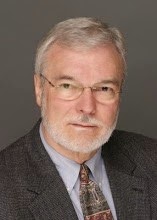
I made a completely unanticipated 6 day hospital stay after a totally unprecedented emergency room visit last Saturday night. Got back home last night, minus my gall bladder. It's been quite a trip. My surgeon says on a scale of sick gall bladders mine was up near the top and not too far from rupturing.
Who knew?
I had been having some upper abdominal pains, along with aches and slight fever, that I initially thought was flu, then decided it wasn't acting like typical flu and began to consider gall bladder; but it wasn't typical of that either -- no nausea or vomiting. Just me being different, I suppose.
My surgeon had hoped to deliver said g.b. through a teensy laparoscope hole, but it would likely have ruptured and, in fact, did leak a tad even so. So I now have an 8" scar along the edge of my rib cage -- and a much longer recovery cycle. But I'm on target and have no complications.
I'm home and mending well. I'll shortly be back in the fray of adding my two cents to the day's events.
Ralph
Saturday, November 13, 2010


Friday, November 5, 2010
Ominous move against independent judiciary
Just 18 months ago, the Iowa Supreme Court declared that the state's law that defined marriage as between one man and one woman violated the constitution. It was unanimous, and thus gay marriage has been legal in Iowa since then.
Tuesday, three of those seven judges were up for a "retention" vote to retain their positions, and they all received a "no" vote. This does not change the court decision, but it was a brazen move by out of state anti-gay activists -- financed largely by the National Association for Marriage -- to intimidate judges nationwide with the threat of ouster for such votes. Their next move will be to try to get another case to come before the Iowa court and result in a repeal of that decision by a different panel of judges (these three will be replaced).
A little research explained how this "judicial retention vote" works in Iowa. It is a much better system than we have in Georgia, which is competitive elections between opposing judges. Although they are usually officially non-partisan, voters are left having to make choices that should not be left to politics, which leaves a whiff of trading independence and integrity for popularity and votes. Someone with a grudge against a judge for a particular decision could finance an outrageously expensive campaign against that judge. And, if they have to raise a lot of money to finance a contested campaign, just how independent can they remain?
In the Iowa system, judicial appointments are based on merit. An impartial commission selects a list of recommended judges from which the governor makes appointments. At the end of a judge's term, voters get a chance to vote yes/no on whether they should be retained for another term. If the vote is yes, they simply serve another term. If a majority vote no, then a replacement is appointed by the governor from among others the commission has rated on merit. It sounds like a good balance between an independent judiciary based on merit and still giving the people some voice.
Enter the the National Organization for Marriage, which spent $1 million to defeat these three judges. In contrast, as is usual, the judges did not raise money or campaign for retention. The same thing could happen in any state that elects judges -- but it would be worse because then the winner would be someone chosen by the anti-gay opposition to run without having to meet merit standards. In Iowa, at least there's a good chance that the replacements will make similar decisions on future cases, because their appointments will be made on merit rather than campaign promises or backing. But the message will extend from Iowa to judges in other states where they will face opposition in elections.
Gay rights groups are decrying this as a NOM attempt to intimidate judges and politicize the (supposedly) independent judiciary. The NOM president is crowing about sending the message "that support for gay marriage is a career-ending position for judges and legislators." Legislators are fair game for being voted out because of positions they have taken; it's clearly a partisan, political position. But this does raise serious questions about an independent judiciary if judges can be intimidated from interpreting the law as they see fit.
Ralph
Tuesday, three of those seven judges were up for a "retention" vote to retain their positions, and they all received a "no" vote. This does not change the court decision, but it was a brazen move by out of state anti-gay activists -- financed largely by the National Association for Marriage -- to intimidate judges nationwide with the threat of ouster for such votes. Their next move will be to try to get another case to come before the Iowa court and result in a repeal of that decision by a different panel of judges (these three will be replaced).
A little research explained how this "judicial retention vote" works in Iowa. It is a much better system than we have in Georgia, which is competitive elections between opposing judges. Although they are usually officially non-partisan, voters are left having to make choices that should not be left to politics, which leaves a whiff of trading independence and integrity for popularity and votes. Someone with a grudge against a judge for a particular decision could finance an outrageously expensive campaign against that judge. And, if they have to raise a lot of money to finance a contested campaign, just how independent can they remain?
In the Iowa system, judicial appointments are based on merit. An impartial commission selects a list of recommended judges from which the governor makes appointments. At the end of a judge's term, voters get a chance to vote yes/no on whether they should be retained for another term. If the vote is yes, they simply serve another term. If a majority vote no, then a replacement is appointed by the governor from among others the commission has rated on merit. It sounds like a good balance between an independent judiciary based on merit and still giving the people some voice.
Enter the the National Organization for Marriage, which spent $1 million to defeat these three judges. In contrast, as is usual, the judges did not raise money or campaign for retention. The same thing could happen in any state that elects judges -- but it would be worse because then the winner would be someone chosen by the anti-gay opposition to run without having to meet merit standards. In Iowa, at least there's a good chance that the replacements will make similar decisions on future cases, because their appointments will be made on merit rather than campaign promises or backing. But the message will extend from Iowa to judges in other states where they will face opposition in elections.
Gay rights groups are decrying this as a NOM attempt to intimidate judges and politicize the (supposedly) independent judiciary. The NOM president is crowing about sending the message "that support for gay marriage is a career-ending position for judges and legislators." Legislators are fair game for being voted out because of positions they have taken; it's clearly a partisan, political position. But this does raise serious questions about an independent judiciary if judges can be intimidated from interpreting the law as they see fit.
Ralph
Thursday, November 4, 2010
Bush reviewed
The New York Times' Michiko Kakutani is first out with a full-length review of George Bush's memoir, "Decision Points."
We've heard some of the advance leaks about (1) Bush saying his biggest mistake was in reducing the troop level in Iraq too soon; (2) Cheney offering to be replaced on the 2004 ticket, which Bush decided against; and (3) acknowledging that he personally authorized waterboarding and would do it again "to save lives"; (4) his ending the book characterizing his current status as the guy who walks his dog Barney "with a plastic bag on my hand, picking up that which I had been dodging for the past eight years."
While acknowledging some interest for its glimpses of personalities involved and the confirmation of much of what we have known about Bush from other writers like Bob Woodward, the reviewer focuses more on what Bush skips over without discussing: cherry picking intelligence, aggrandized executive power, shortchanging the war in Afghanistan in order to invade Iraq, the problems at Guantanimo, the role of his deregulatory free market policies in the financial crisis, and the infighting within his own administration. He repeatedly refers to being "blindsided" about major developments, as though he weren't in charge but merely at the mercy of his minions.
The most quotable paragraph from the review is this:
I don't. The country would have been so much better off if the president had been someone whose ideas of what is right are influenced by intelligence, knowledge of history and culture and economics, curiosity about all aspects of policy decisions, and the capacity for reflective thinking. The country suffered greatly from this little man's lack of all of those qualities.
Ralph
We've heard some of the advance leaks about (1) Bush saying his biggest mistake was in reducing the troop level in Iraq too soon; (2) Cheney offering to be replaced on the 2004 ticket, which Bush decided against; and (3) acknowledging that he personally authorized waterboarding and would do it again "to save lives"; (4) his ending the book characterizing his current status as the guy who walks his dog Barney "with a plastic bag on my hand, picking up that which I had been dodging for the past eight years."
While acknowledging some interest for its glimpses of personalities involved and the confirmation of much of what we have known about Bush from other writers like Bob Woodward, the reviewer focuses more on what Bush skips over without discussing: cherry picking intelligence, aggrandized executive power, shortchanging the war in Afghanistan in order to invade Iraq, the problems at Guantanimo, the role of his deregulatory free market policies in the financial crisis, and the infighting within his own administration. He repeatedly refers to being "blindsided" about major developments, as though he weren't in charge but merely at the mercy of his minions.
The most quotable paragraph from the review is this:
Despite the eagerness of Mr. Bush to portray himself as a forward-leaning, resolute leader, this volume sometimes has the effect of showing the former president as both oddly passive and strangely cavalier.He says he left office satisfied that "I had always done what I believed was right." Many of his friends and supporters will think that was good enough.
I don't. The country would have been so much better off if the president had been someone whose ideas of what is right are influenced by intelligence, knowledge of history and culture and economics, curiosity about all aspects of policy decisions, and the capacity for reflective thinking. The country suffered greatly from this little man's lack of all of those qualities.
Ralph
More election facts
The analysis continues, with some interesting facts coming out:
1. According to DemocracyforAmerica.com, 94% of the Progressive Caucus retained their seats, while only 47% of the Blue Dog Democrats did. Analyzing the progressives who won and those who lost, they conclude this message: "For Democrats to win in the future, they need to fight for the people they represent and stop cutting deals to water down reform with the same corporate interests who will turn around and spend unlimited amounts of money to defeat Democrats year after year."
2. Jane Hamsher points out that this should not be taken as a triumph for the Republican party. Voters' allegiance to party is probably weaker than ever. "Independent voter" is the fastest growing constituency in the country. This was more of a revolt against who's in control -- and it could switch back the other way just as easily. As she says, "Republicans who think their agenda has just been given a massive public endorsement are delusional -- their primary virtue is that they were an opposition party to an unpopular president whose programs aren't making people's lives better at a time of economic insecurity."
3. Mickey Nardo is right in his comment to my "Losses and wins" blog, saying that Obama never expected that the economy would be his to fix. He came in to do big, progressive things; and he just couldn't realize he needed to switch priorities and fix the economy instead of fixing health care. Sure, he was right that you couldn't fix the economy without fixing health care; but he needed to do some triage first and do life-saving techniques before attempting major surgery. If the patient dies before you get to the OR, the surgery isn't going to help.
In the end, those in swing districts who voted for health care did worse than those who voted against it. And similar votes may linger like unexploded mines, waiting for those who will be up for re-election in 2012; and in the senate, twice as many Dems will be up for re-election as Repubs, which makes the Dems' senate control much more vulnerable than in 2010 -- and with fewer seats to lose. In 2012, lose 3 seats and they lose control of the senate.
4. It's interesting that Wall Street hardly reacted at all to the election. The Dow-Jones went up about 0.2% today. That's nothing, when we've seen swings of 3% or 4% in one day as reaction to some economic news. I would interpret that to mean that investors don't expect much to change, one way or the other. Makes you wonder at some interpretations that big business was the big winner. I expected the market to go up like crazy.
5. Rep. Patrick Murphy (D-PA) defeated Rep. Fitzpatrick in 2008 by a narrow margin, riding in on the Obama sweep. Fitzpatrick beat him in the 2010 rematch, riding the GOP tide in PA that also defeated Joe Sistak. Murphy distinguished himself in his single term by volunteering to spearhead the drive to repeal DADT in the House -- and he did, effectively, although it didn't survive the Senate . . . yet. He was the ideal champion: Iraq war vet, straight, but gay friendly. He said at the time that he knew it could make him a one-term congressman, but the principle was that important to him. It looks like that probably wasn't what defeated him but the more general drive to send in a more conservative team.
6. The House picked up a fourth openly gay member, David Cicilline, mayor of Providence, Rhode Island, keeping Patrick Kennedy's seat in the Democratic column. He won't bring an additional vote on gay issues, though, because Patrick Kennedy was one of the most reliable supporters of gay rights.
Ralph
1. According to DemocracyforAmerica.com, 94% of the Progressive Caucus retained their seats, while only 47% of the Blue Dog Democrats did. Analyzing the progressives who won and those who lost, they conclude this message: "For Democrats to win in the future, they need to fight for the people they represent and stop cutting deals to water down reform with the same corporate interests who will turn around and spend unlimited amounts of money to defeat Democrats year after year."
2. Jane Hamsher points out that this should not be taken as a triumph for the Republican party. Voters' allegiance to party is probably weaker than ever. "Independent voter" is the fastest growing constituency in the country. This was more of a revolt against who's in control -- and it could switch back the other way just as easily. As she says, "Republicans who think their agenda has just been given a massive public endorsement are delusional -- their primary virtue is that they were an opposition party to an unpopular president whose programs aren't making people's lives better at a time of economic insecurity."
3. Mickey Nardo is right in his comment to my "Losses and wins" blog, saying that Obama never expected that the economy would be his to fix. He came in to do big, progressive things; and he just couldn't realize he needed to switch priorities and fix the economy instead of fixing health care. Sure, he was right that you couldn't fix the economy without fixing health care; but he needed to do some triage first and do life-saving techniques before attempting major surgery. If the patient dies before you get to the OR, the surgery isn't going to help.
In the end, those in swing districts who voted for health care did worse than those who voted against it. And similar votes may linger like unexploded mines, waiting for those who will be up for re-election in 2012; and in the senate, twice as many Dems will be up for re-election as Repubs, which makes the Dems' senate control much more vulnerable than in 2010 -- and with fewer seats to lose. In 2012, lose 3 seats and they lose control of the senate.
4. It's interesting that Wall Street hardly reacted at all to the election. The Dow-Jones went up about 0.2% today. That's nothing, when we've seen swings of 3% or 4% in one day as reaction to some economic news. I would interpret that to mean that investors don't expect much to change, one way or the other. Makes you wonder at some interpretations that big business was the big winner. I expected the market to go up like crazy.
5. Rep. Patrick Murphy (D-PA) defeated Rep. Fitzpatrick in 2008 by a narrow margin, riding in on the Obama sweep. Fitzpatrick beat him in the 2010 rematch, riding the GOP tide in PA that also defeated Joe Sistak. Murphy distinguished himself in his single term by volunteering to spearhead the drive to repeal DADT in the House -- and he did, effectively, although it didn't survive the Senate . . . yet. He was the ideal champion: Iraq war vet, straight, but gay friendly. He said at the time that he knew it could make him a one-term congressman, but the principle was that important to him. It looks like that probably wasn't what defeated him but the more general drive to send in a more conservative team.
6. The House picked up a fourth openly gay member, David Cicilline, mayor of Providence, Rhode Island, keeping Patrick Kennedy's seat in the Democratic column. He won't bring an additional vote on gay issues, though, because Patrick Kennedy was one of the most reliable supporters of gay rights.
Ralph
Wednesday, November 3, 2010
Macro-politics
You know the adage: "All politics is local." Well, that's true in the sense that even the national race for president is colored by thousands of local conditions, local personalities, and local efforts.
But there are also over-arching principles -- macro-politics, if you will -- that sometimes seem to be the more important factor.
So what was the most important factor in 2010?
Not the Tea Party, not Obama, not Nancy Pelosi and Harry Reid, not the huge infusions of cash from anonymous wealthy conservatives, not big business/big bank/big Pharma lobbying, not Sarah Palin and Glenn Beck.
Here's the answer: The economy. Remember that other adage, coined by James Carville? "It's the economy, stupid."
Here we are at midterm, when the president's party always loses seats in Congress -- and the economy is still in shambles and unemployment is still close to 10% nationally. And the Democrats control all three branches of government. You're going to lose BIG.
Add in one other macro-political factor: when things are going badly, the American electorate tends to want to divide political power. So they gave control of the House to the Republicans, while leaving the Senate under Democratic control -- but just barely, and without the filibuster proof supermajority.
If the economy had been better, the losses might have been less. But, despite all the noise and all the hoopla and all the money -- this election has been about The Economy, Stupid.
Ralph
But there are also over-arching principles -- macro-politics, if you will -- that sometimes seem to be the more important factor.
So what was the most important factor in 2010?
Not the Tea Party, not Obama, not Nancy Pelosi and Harry Reid, not the huge infusions of cash from anonymous wealthy conservatives, not big business/big bank/big Pharma lobbying, not Sarah Palin and Glenn Beck.
Here's the answer: The economy. Remember that other adage, coined by James Carville? "It's the economy, stupid."
Here we are at midterm, when the president's party always loses seats in Congress -- and the economy is still in shambles and unemployment is still close to 10% nationally. And the Democrats control all three branches of government. You're going to lose BIG.
Add in one other macro-political factor: when things are going badly, the American electorate tends to want to divide political power. So they gave control of the House to the Republicans, while leaving the Senate under Democratic control -- but just barely, and without the filibuster proof supermajority.
If the economy had been better, the losses might have been less. But, despite all the noise and all the hoopla and all the money -- this election has been about The Economy, Stupid.
Ralph
Losses and wins
It was bad . . . it could have been worse.
A few observations:
1. The crazy women and the wealthy women lost: Christine O'Donnell, Sharon Angle, Meg Whitman, Carla Fiorina, and Linda McMahon.
2. The GOP takeover of the House was huge -- probably will wind up with about a 65 seat turnover -- but still short of the tsunami of 70+ that some had predicted.
3. There were some really significant wins for the Democrats in the Senate: Harry Reid and Barbara Boxer held their seats in close races, and Patty Murray has a slight lead in her still undecided race in WA. Michael Bennett's race is CO is too razor-thin to call but could still win. They also won the closely watched races in West Virginia and Delaware.
4. And some very significant losses in the Senate: Russ Feingold in a decisive defeat and Blanche Lincoln, as expected. They were sort of bookends: Feingold the stubborn progressive who stuck to his principles, and Lincoln who angered the Dems by voting against party in some close votes but wound up not pleasing the other side either in a very conservative state. And there were the losses in Pennsylvania (Joe Sestak) and Illinois (Obama's old seat), both of which looked like possible wins early in the evening.
5. One group was especially vulnerable: the Blue Dog Democrats. This was a group of moderates/conservatives who won in districts that usually elect Republicans. It was Rahm Emanuel's strategy as head of the re-election committee in the House in 2002 to encourage conservates to run as Democrats in those districts; their wins in 2002 gave the Dems control of the House, but they were maybe more trouble than they were worth, voting against health care reform. Easy come, easy go. Of the 46 up for re-election, 23 lost their seats, reverting to the Republicans that usually represent those districts.
6. But so were progressives: Russ Feingold in the Senate; Alan Grayson, Tom Periello, and Mary Joe Kilroy in the House.
7. Being gay seemed to be a non-factor in this election cycle: Barney Frank won in a hotly contested race, as did Tammy Baldwin. Patrick Murphy who, though not-gay became known as the Iraqi veteran who championed gay rights in the House, lost. But Lexington, KY elected a gay mayor over the incumbent. I guess the economy and "government take-over" eclipse everything. What a fine day when being gay has become a non-issue politically.
8. Nathan Deal is the next governor of Georgia. What can I say?
(a) he was the Republican choice, and this is a very Republican state;
(b) the voters are afraid of a Democrat promising change;
(c) they just don't care about a few ethical lapses.
It's a sad day, but I don't think he will be terrible; he just won't be very effective in the job at a critical time economically.
9. The morning after, somehow I just don't feel so bad about it all, after all. Maybe it's the relief of finally having this awful and awfully expensive election over. But it's more than that. There is something cathartic about it. Even though I wanted every Democrat to win, I was fed up with the gridlock, frustrated with them all that they couldn't seem to break the impasses, disappointed in Obama's inability to convey his message. The people have spoken, and the message was clear: this is not working; do something different.
So now we start over. Maybe David Brooks will prove prophetic and the Republicans will now take a more responsible stance and actually work with Obama to get some things done.
One thing is clear: the Tea Party did have a huge impact, but they didn't take over Washington. The GOP leaders are not going to let them run wild. The want to use their fervor but channel it into what's possible.
The bottom line: it has been proven, once again, that the American people like a divided government. So now the Democrats control the Presidency and the Senate, and the Republicans control the House. Maybe that's not a bad thing.
Ralph
A few observations:
1. The crazy women and the wealthy women lost: Christine O'Donnell, Sharon Angle, Meg Whitman, Carla Fiorina, and Linda McMahon.
2. The GOP takeover of the House was huge -- probably will wind up with about a 65 seat turnover -- but still short of the tsunami of 70+ that some had predicted.
3. There were some really significant wins for the Democrats in the Senate: Harry Reid and Barbara Boxer held their seats in close races, and Patty Murray has a slight lead in her still undecided race in WA. Michael Bennett's race is CO is too razor-thin to call but could still win. They also won the closely watched races in West Virginia and Delaware.
4. And some very significant losses in the Senate: Russ Feingold in a decisive defeat and Blanche Lincoln, as expected. They were sort of bookends: Feingold the stubborn progressive who stuck to his principles, and Lincoln who angered the Dems by voting against party in some close votes but wound up not pleasing the other side either in a very conservative state. And there were the losses in Pennsylvania (Joe Sestak) and Illinois (Obama's old seat), both of which looked like possible wins early in the evening.
5. One group was especially vulnerable: the Blue Dog Democrats. This was a group of moderates/conservatives who won in districts that usually elect Republicans. It was Rahm Emanuel's strategy as head of the re-election committee in the House in 2002 to encourage conservates to run as Democrats in those districts; their wins in 2002 gave the Dems control of the House, but they were maybe more trouble than they were worth, voting against health care reform. Easy come, easy go. Of the 46 up for re-election, 23 lost their seats, reverting to the Republicans that usually represent those districts.
6. But so were progressives: Russ Feingold in the Senate; Alan Grayson, Tom Periello, and Mary Joe Kilroy in the House.
7. Being gay seemed to be a non-factor in this election cycle: Barney Frank won in a hotly contested race, as did Tammy Baldwin. Patrick Murphy who, though not-gay became known as the Iraqi veteran who championed gay rights in the House, lost. But Lexington, KY elected a gay mayor over the incumbent. I guess the economy and "government take-over" eclipse everything. What a fine day when being gay has become a non-issue politically.
8. Nathan Deal is the next governor of Georgia. What can I say?
(a) he was the Republican choice, and this is a very Republican state;
(b) the voters are afraid of a Democrat promising change;
(c) they just don't care about a few ethical lapses.
It's a sad day, but I don't think he will be terrible; he just won't be very effective in the job at a critical time economically.
9. The morning after, somehow I just don't feel so bad about it all, after all. Maybe it's the relief of finally having this awful and awfully expensive election over. But it's more than that. There is something cathartic about it. Even though I wanted every Democrat to win, I was fed up with the gridlock, frustrated with them all that they couldn't seem to break the impasses, disappointed in Obama's inability to convey his message. The people have spoken, and the message was clear: this is not working; do something different.
So now we start over. Maybe David Brooks will prove prophetic and the Republicans will now take a more responsible stance and actually work with Obama to get some things done.
One thing is clear: the Tea Party did have a huge impact, but they didn't take over Washington. The GOP leaders are not going to let them run wild. The want to use their fervor but channel it into what's possible.
The bottom line: it has been proven, once again, that the American people like a divided government. So now the Democrats control the Presidency and the Senate, and the Republicans control the House. Maybe that's not a bad thing.
Ralph
Tuesday, November 2, 2010
'Round midnight . . .
Sorry, I just couldn't resist the title. I was about to comment on some wins and losses at the midnight hour, as I head off to bed -- and the great Thelonious Monk title, made so popular by Ella Fitzgerald, popped into my head: "'Round Midnight."
So here, 'round midnight are some results:
Of hot senate races, the Democrats won in West Virginia, Delaware, California and are leading in Colorado, Nevada, and Washington. Republicans won Kentucky, Florida, Wisconsin, Pennsylvania and Illinois.
The Republicans will take the House with 60 or more seats flipping. Not the tsunami some had predicted, but still pretty bad. Barney Frank held on to his seat after a tough race. Two Dem seats in GA flipped to Repubs. Do-nothing Deal seems to have won GA's governor race.
The two multimillionaire, self-financing women in California both lost: Fiorina to Boxer for the senator and Whitman to Brown for governor.
And Lexington, KY elected its first gay mayor.
Ralph
So here, 'round midnight are some results:
Of hot senate races, the Democrats won in West Virginia, Delaware, California and are leading in Colorado, Nevada, and Washington. Republicans won Kentucky, Florida, Wisconsin, Pennsylvania and Illinois.
The Republicans will take the House with 60 or more seats flipping. Not the tsunami some had predicted, but still pretty bad. Barney Frank held on to his seat after a tough race. Two Dem seats in GA flipped to Repubs. Do-nothing Deal seems to have won GA's governor race.
The two multimillionaire, self-financing women in California both lost: Fiorina to Boxer for the senator and Whitman to Brown for governor.
And Lexington, KY elected its first gay mayor.
Ralph
Subscribe to:
Posts (Atom)